Tips and Tricks to Communicate Effectively When You Don’t Speak the Language
One of the most enriching aspects of travel is encountering different cultures—and with that comes the challenge of different languages. Whether you're asking for directions, ordering food, or navigating public transportation, language barriers can complicate even simple tasks.
However, you don’t need to be fluent in the local language to travel successfully. With a combination of tools, basic phrases, and mindful communication, you can overcome most language barriers with confidence and ease.
This article explores how travelers can prepare for and respond to language challenges abroad with practical, respectful strategies.
Why overcoming language barriers is important for modern travelers
Being unable to communicate can cause misunderstandings, missed experiences, and even safety issues. Here’s why this topic matters:
-
Reduces anxiety: You’ll feel more at ease when navigating unfamiliar situations.
-
Promotes cultural respect: Even small efforts in the local language show appreciation and can build trust.
-
Improves travel experience: You’ll get better recommendations, avoid tourist traps, and connect with locals.
-
Enhances safety: You can ask for help or understand emergency instructions when needed.
Whether you’re traveling solo, with friends, or for work, managing language differences is a vital skill.
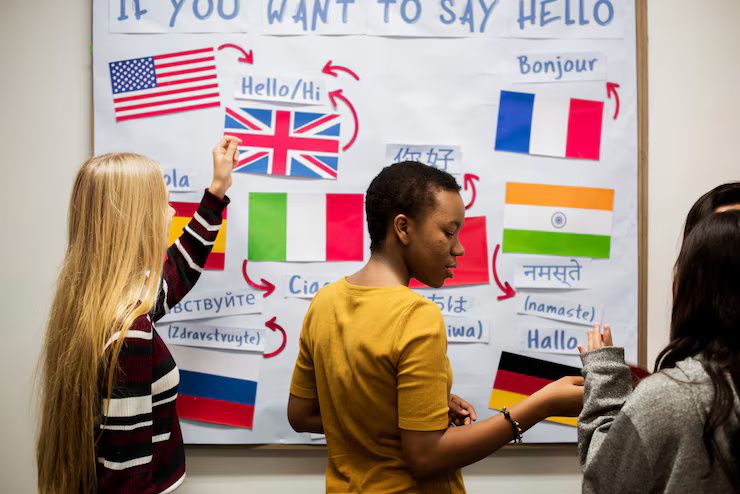
Recent trends and tools making communication easier (2024–2025)
-
AI translation apps like Google Translate, iTranslate, and DeepL now support offline usage, voice input, and camera-based text translation.
-
Wearable translators (like Timekettle earbuds) are gaining popularity for real-time two-way translation in conversations.
-
Airlines and hotels are increasingly training staff to use translation apps or multilingual service systems.
-
In 2024, WhatsApp added built-in message translation, making it easier to chat with locals who speak another language.
These tools are reshaping how we overcome language gaps without needing full fluency.
Effective ways to overcome language barriers while traveling
1. Learn basic local phrases
Memorize or write down a few essential phrases like:
-
“Hello” / “Thank you”
-
“I don’t speak [language]”
-
“Do you speak English?”
-
“How much is this?”
-
“Where is the bathroom?”
-
“Help!” or “Call a doctor!”
Even imperfect pronunciation often earns goodwill. Use free language learning apps like Duolingo, Memrise, or Babbel before your trip.
2. Use translation apps wisely
Modern apps can handle written, spoken, and photographed text. Top options include:
| App | Features |
|---|---|
| Google Translate | Text, speech, handwriting, photo input, offline mode |
| iTranslate | Voice-to-voice translation and website translation |
| DeepL | High-accuracy translations (best for European languages) |
| SayHi | Real-time voice translation in conversations |
3. Rely on visuals and gestures
-
Use body language, facial expressions, and hand gestures
-
Carry a picture dictionary or icon card for common needs (food, toilet, doctor, hotel)
-
Point to items on menus or maps when speaking fails
-
Take photos of key locations or written addresses to show locals when asking for help
While gestures can bridge the gap, be mindful of cultural differences—some signs mean different things in other cultures.
4. Write things down
-
If pronunciation is difficult, write down what you want to say
-
Use your phone’s notes app or a small notebook
-
This works especially well when showing addresses, allergens, or specific requests to hotel or restaurant staff
5. Be patient, respectful, and calm
Overcoming language barriers is as much about attitude as it is about tools.
-
Speak slowly and clearly, not louder
-
Avoid slang or idioms
-
Use simple words and short sentences
-
Smile and show appreciation for help—even if communication is difficult
Politeness goes a long way. Locals often appreciate your effort to connect, even if your grammar isn’t perfect.Laws and policies that relate to language use
-
Multilingual signage: Many countries (like Japan, Switzerland, or UAE) have multilingual signs in tourist zones and public transit.
-
Language laws: In places like Quebec (Canada), French is the official language, and signage or service may be offered primarily in French.
-
Visa or immigration interviews: Some countries require basic communication ability during entry or visa interviews. Using translators may not be allowed in such cases.
Always check the country’s language expectations if your travel involves official processes.
Tools and resources for language help on the go
| Tool | Purpose |
|---|---|
| Google Translate app | Real-time translation |
| Duolingo / Memrise | Learn essential phrases and pronunciation |
| TripLingo | Local slang, etiquette, and voice translation |
| Point It: Traveller's Language Kit (book) | Pocket-size picture book for non-verbal communication |
| Language learning podcasts | Practice listening to native speakers on the go |
Frequently Asked Questions (FAQs)
1. What’s the best app for translating foreign languages while traveling?
Google Translate is the most comprehensive, especially with its offline mode and camera-based translation. DeepL offers more natural phrasing for many languages, especially in Europe.
2. Can I get by with only English in most countries?
In major tourist areas—yes, to a degree. But in rural areas, local markets, or public services, basic local phrases or translation tools are often needed.
3. What if I need emergency help and no one understands me?
Use translation apps to type or speak emergency phrases like “Call an ambulance” or “I need help.” Show them on your phone. It’s also wise to carry a card with emergency contacts and medical info translated into the local language.
4. Are hand gestures always safe to use?
Not always. Some gestures (like a thumbs-up or OK sign) are offensive in some cultures. When unsure, keep gestures neutral and universal, like smiling, pointing, or miming actions.
5. Should I hire a local guide or interpreter?
If you’re traveling to a country with little English signage or unique dialects, hiring a local guide can greatly enrich your experience and prevent miscommunication.Final thoughts
Language barriers are common in travel, but they don’t have to be obstacles. With the right tools, a few local phrases, and a respectful attitude, you can navigate almost any situation.
The goal isn't perfection—it's connection. Effort, empathy, and patience often matter more than fluency.