Tips to Stay Healthy While Traveling
Discover essential tips to stay healthy during your travels, including hygiene, food safety, hydration, and avoiding illness while on the move
This article outlines practical, science-based tips to help travelers of all ages and travel styles stay healthy, energized, and safe while on the go.
Why this topic is important for every traveler
Health issues while traveling can range from mild discomforts (like fatigue or motion sickness) to more serious concerns (such as food poisoning, infections, or dehydration). Staying healthy:
-
Prevents your trip from being cut short or ruined
-
Helps you stay active and enjoy your itinerary
-
Reduces the risk of spreading illness to others
-
Avoids unnecessary medical expenses in a foreign country
This is especially relevant for solo travelers, families with children, seniors, and those with pre-existing conditions.
Recent updates and travel health trends (2024–2025)
-
Post-pandemic hygiene awareness continues to influence travel habits. Hand sanitizers and masks are still widely used in crowded areas.
-
Digital vaccine certificates are no longer mandatory in most countries, but some destinations may still require proof of yellow fever or polio vaccination depending on region.
-
Rise in food delivery apps abroad means more travelers are eating in instead of at local restaurants—reducing exposure to contaminated food but also decreasing physical activity.
-
Climate extremes have increased heat-related health risks. Many destinations are now publishing travel heat alerts to help tourists plan outdoor activities safely.
Key tips to stay healthy while traveling
1. Prioritize hand hygiene
-
Wash hands with soap and water regularly, especially before eating or after touching public surfaces
-
Carry alcohol-based hand sanitizer (60%+ alcohol)
-
Avoid touching your face with unwashed hands
2. Stay hydrated
-
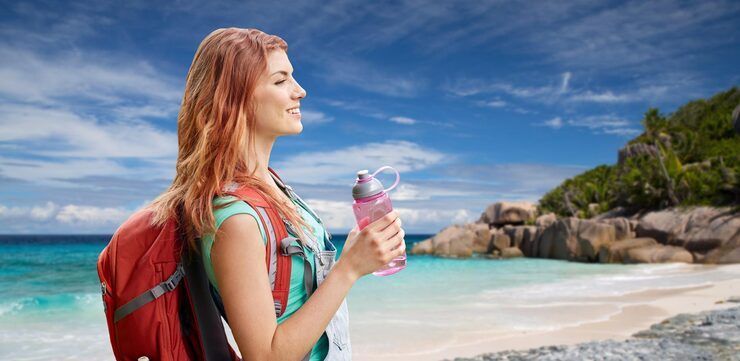
Carry a refillable water bottle (use boiled, filtered, or bottled water when unsure of local water quality)
-
Drink more water if you're flying, walking a lot, or visiting hot climates
-
Limit sugary drinks, alcohol, and caffeine that can cause dehydration
3. Eat safely and wisely
-
Eat food that is fresh, cooked thoroughly, and served hot
-
Be cautious with raw foods like salads, sushi, or street food in low-hygiene areas
-
Choose busy, popular places where food turnover is high
-
Peel fruits yourself; avoid pre-cut fruits sold on the street
4. Sleep well and adjust to time zones
-
Stick to a consistent sleep schedule
-
Use eye masks and earplugs to improve sleep in noisy environments
-
To beat jet lag, try to sync your body clock with the new time zone gradually
5. Protect against insect bites
-
In tropical or rural areas, use insect repellent with DEET or picaridin
-
Wear long sleeves and pants during dawn and dusk
-
Sleep under mosquito nets if needed
-
Avoid stagnant water areas where mosquitoes breed
Travel vaccinations and medications
| Vaccine / Medication | When Needed |
|---|---|
| Hepatitis A & B | For most destinations |
| Typhoid | If visiting rural or low-sanitation regions |
| Yellow Fever | Required for entry in some African and South American countries |
| Malaria pills | Needed for parts of Africa, Asia, and Latin America |
| Traveler’s diarrhea meds | For regions with high food/water contamination risks |
Stay active, but don’t overdo it
-
Stretch during long flights or bus/train rides to improve circulation
-
Walk instead of taking taxis when safe and reasonable
-
Include rest days in your itinerary to prevent exhaustion
-
Wear comfortable shoes to avoid foot injuries or blisters
Keep a small travel health kit
Your kit should include:
-
Basic pain relievers (paracetamol or ibuprofen)
-
Antiseptic cream and adhesive bandages
-
Anti-diarrheal medication
-
Motion sickness tablets
-
Prescriptions with original labels
-
Thermometer and digital oximeter (if needed)
-
Mosquito repellent and sunscreen
Pro tip: Pack a few oral rehydration sachets—they’re helpful if you get dehydrated from sun exposure or food poisoning.
Use tools and apps for health management while traveling
| Tool / App | Function |
|---|---|
| My Travel Health (CDC/WHO) | Offers travel health advice by country |
| Google Maps | Locate nearby pharmacies, hospitals, or clinics |
| Apple Health / Google Fit | Track steps, heart rate, and activity |
| TravelSmart by Allianz | Includes emergency services and medical translation |
| First Aid by Red Cross | Simple emergency guidance offline |
Frequently Asked Questions (FAQs)
1. What should I do if I feel sick during my trip?
Rest, hydrate, and monitor symptoms. If symptoms persist or worsen, visit a local clinic. Know how to contact your country's embassy for help in emergencies.
2. Is it safe to drink tap water abroad?
Depends on the country. In many parts of Europe and North America, it’s safe. In parts of Asia, Africa, and Latin America, use bottled or purified water.
3. Should I wear a mask while traveling in 2025?
It’s optional in most places but still recommended in crowded or poorly ventilated areas, such as airports or subways, especially during flu seasons.
4. How can I prevent motion sickness?
Choose front seats (in cars or buses), over-the-wing seats (in airplanes), or central cabins (on boats). Look at the horizon and avoid reading or screens. Motion sickness tablets also help.
5. What foods should I avoid while traveling?
Avoid undercooked meat, raw seafood, unpasteurized dairy, tap water (in high-risk areas), and foods sitting out too long, like buffet items or street food in hot climates.
Final thoughts
Good health is the foundation of a good trip. While travel naturally involves some unpredictability, being prepared with the right habits, tools, and information can reduce risks significantly.
By eating wisely, staying clean, sleeping enough, and listening to your body, you’ll be in the best position to fully enjoy your travels—no matter the destination.